Last weekend, I visited the De Young Museum, San Francisco for its special exhibition of more than 100 masterpieces by Spanish artist Pablo Picasso (1881–1973) from the permanent collection of Paris’s world-renowned
Musée national Picasso (left).
The exhibit was a very intelligently curated and many works were grouped together to demonstrate the development of the master, the contrast of his styles of different period, especially those of the similar subjects. It boasted many beautiful paintings, etchings and sculptures. However, it did not contain any of his most renown and splashy paintings, because most of them were in the collections of weightier museums, such as
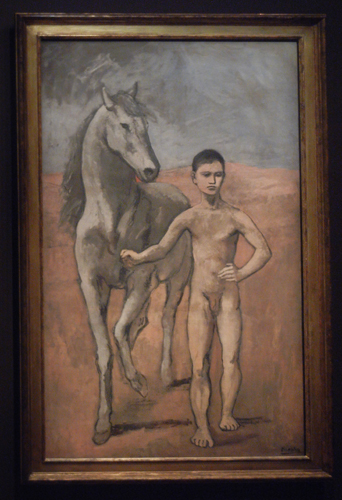
Boy Leading a Horse at New York's Museum of Modern Arts and can be seen now as part of the
Steins Collect exhibit as San Francisco Museum of Modern Art (below):
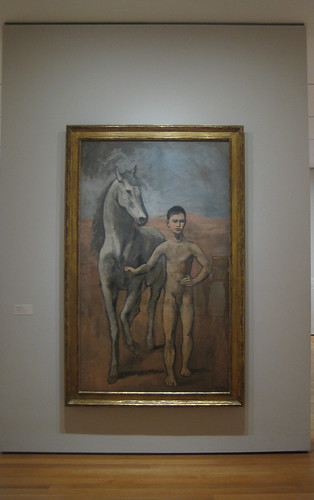
Boy Leading a Horse, in
New York Museum of Modern Art
It didn't have some of my favorites I saw in the museum in 2000, such as the
Olga pensive or
Nu aux jambes croisées, (Crayon) below:
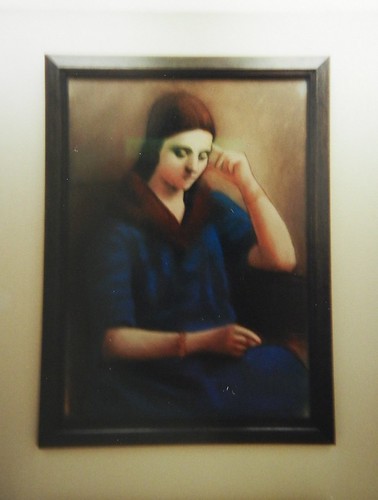
Olga pensive, 1923, 1933

Nu aux jambes croisées, Crayon, 1905
Incidentally, my visit to Musée National Picasso was the first of the five Museums I (attempted) to visit in one day. Following Picasso, we went to Pompidou, l'Orangerie, Rodin and d'Orsay. Since l'Orangerie was closed for renovation and d'Orsay had extended hours, therefore I was able to savor so many masterpieces with reasonable concentration. However, that kind of whirlwind tour can never substitute for a more focused viewing of the special exhibit presented by De Young.
This exhibit did include several pieces I remembered well, such as
La Célestine (La Femme à la taie),
Paul en arlequin, and
Portrait d'Olga dans un fauteuil. These pieces are of his earlier style and are much more accessible. Blue Period, Harlequin and Orientalism are the obvious descriptive words for these pieces.

La Célestine (La Femme
à la taie), 1904

Paul en arlequin, 1924
 Portrait d'Olga dans un fauteuil, 1917
I do like his blue and rose periods but do not find his orientalism much appealing. Interestingly, the
Portrait d'Olga dans un fauteuil and the Femme assise below had very similar composition and the later work was far more substantial and despite its surface coarseness, it was far more beautiful than the mannered refinement above.
 Femme assise, 1920
I love his monumental figures very much, which are also featured in his 1922 painting
Deux femmes courant sur la plage �(La course). Particularly fascinating for me was the head and hair of the giantress on the left was identical to those of the slim, feathery woman in his 1918 piece Les baigneuses. It is very interesting to see the master used his iconic head and hair composition in such completely different pieces.
 Deux femmes courant sur la plage �(La course), 1922
 Les baigneuses, 1918
Another pair of works are study and the finished work below. To me, the figures in his study are much more natural and appealing and in his finished work, they were stiff and awkward. I cannot believe that it was not by choice. Interesting choice, therefore.
 La danse villageoise, 1922
 Etudes, 1920
I was also very taken by his reclining nude or clothed women, pensive and often reading. I even found the precursor or echo of his figures in his still life. Picasso clearly was a sensual man and could see feminine appeal in the daily objects.
 Femme couchée lisant, 1939
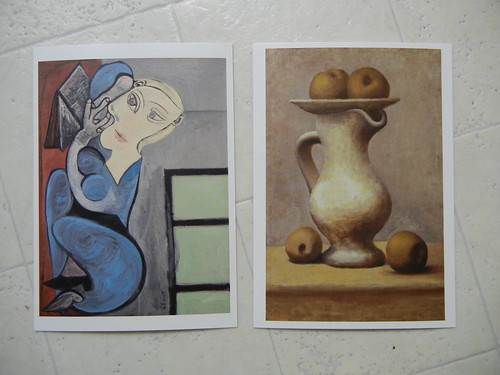 Nature morte au pichet et aux pommes, 1919
His style changed much, and often oscillating. From his 1930s through 1950s output, I found myself often appreciate the details more than the works in their entireties. For example, the individual elements in the below Nu couché
Nature morte au pichet et aux pommes, 1919
His style changed much, and often oscillating. From his 1930s through 1950s output, I found myself often appreciate the details more than the works in their entireties. For example, the individual elements in the below Nu couché were very beautiful to look at but the piece in the whole was rather incoherent and less than the sum.

Femme lançant une pierre, 1931

Nu couché, 1932
His brushwork in the 1934
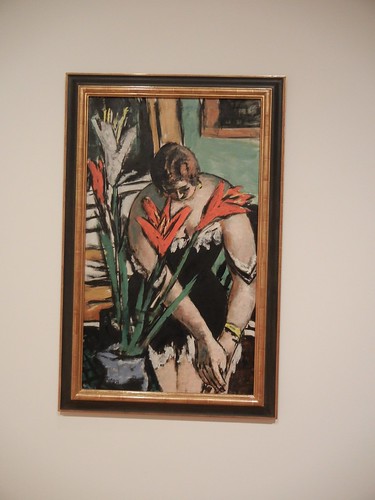
Nu dans un jardin was admirably beautiful. However, the sacrificial nature of the woman was a bit nauseating. This painting reminded me very much of Max Beckmann's landscape.

Nu dans un jardin, 1934
His 1938
La fermière probably did not belong to this group but I found again the details of this piece was exceedingly beautiful and the more overt grotesqueness only veer towards the other end of the spectrum by an inch or two:

La fermière, 1938
And in his later years, he gave us a very well balanced and becalming piece
La liseuse, as if the old age made him even wiser:
 La liseuse, 1953
I was little confused and surprised by the timelines of his works. His more experimental works were mostly done from 1910s through 1930s, like the most cubic work
Homme à la guitare, 1911, or his more whimsical works in 1928 (Baigneuse ouvrant une cabine) and 1930 (L'acrobate) below. I cherish the encounter of these works but I do not love them.
 Homme à la guitare, 1911

Baigneuse ouvrant une cabine, 1928

L'acrobate, 1930
I found the below three portraits very fascinating as they demonstrated the split personality or view of the sitter or the painting or both. La lecture and Portrait de Dora Maar are much more vibrantly painted and serene, but the splitting image resonated with the anxious images of the double portrait
Le baiser, which I subtitled as
Samson and Delila.

La lecture, 1932

Portrait de Dora Maar, 1937

Le baiser, 1969
Besides the traits of Max Beckmann I also recalled works by
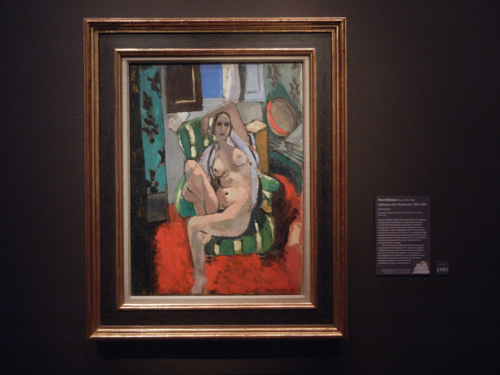
Matisse:

L'ombre, 1953
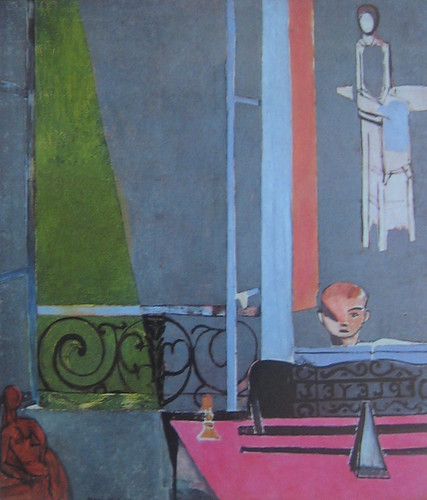
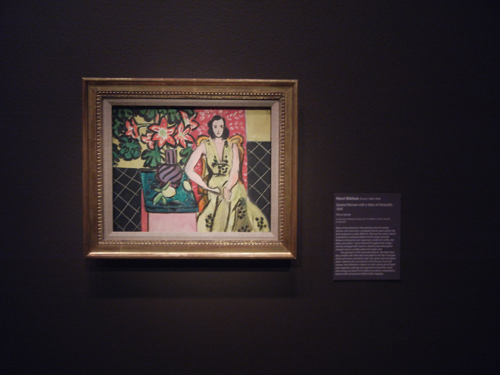
Piano Lesson, 1916, Henri Matisse
Another work mentioned Manet but I saw it as a rather only friendly tease:

Le Déjeuner sur l'herbe d'après Manet, 1961
I found some of his work less interesting, such as the 1931 Grande nature morte au guéridon, which was geometrical interplay of some pretty colors in their own rights but a clash as a whole and the flatness of the surface heralded in the American Pop Art, a movement I sincerely wished never had taken place:

Grande nature morte au guéridon, 1931
I am glad to have this chance to see the collections from Musée National Picasso in San Francisco. It is our collective good luck that Picasso lived and worked to old age and many museums can present his works to the appreciating audience, such as the Musée de l'Orangerie, the Museum I didn't get in on my four/five Museum day and did visit in 2006, and saw quite a few beautiful Picasso paintings there, beside its amazing star collection of Monet's Les Nymphéas. I'm truly grateful and satisfied.
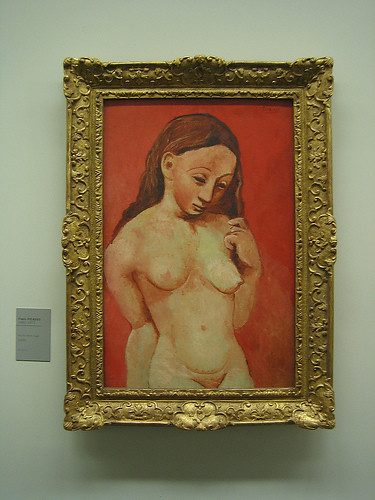
Nu sur fond rouge by Picasso, Musée de l'Orangerie, Paris
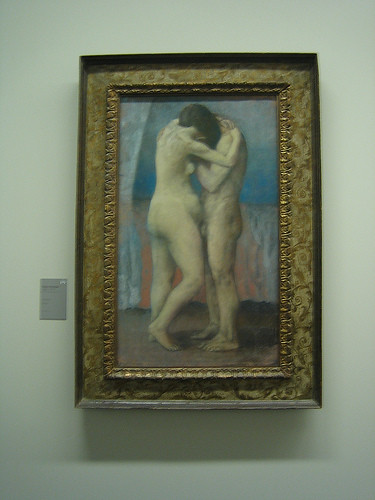
L'etreinte by Picasso, Musée de l'Orangerie, Paris
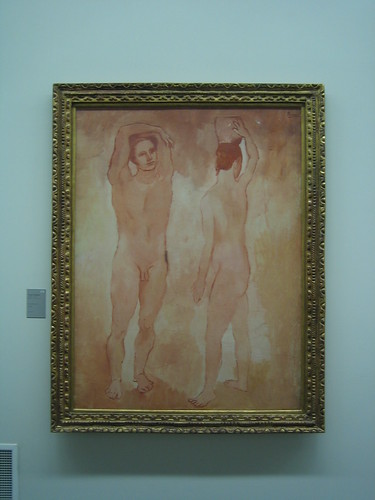
Les Adolescents by Picasso, Musée de l'Orangerie, Paris
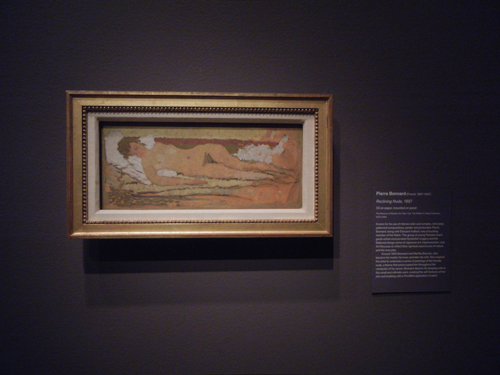
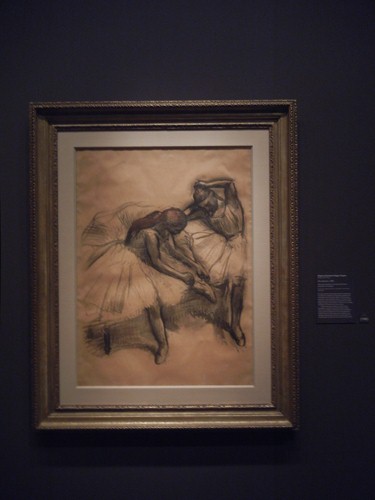
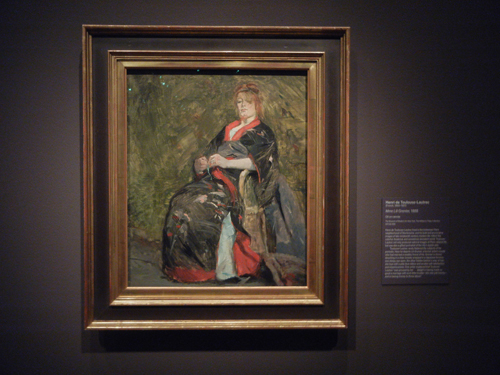
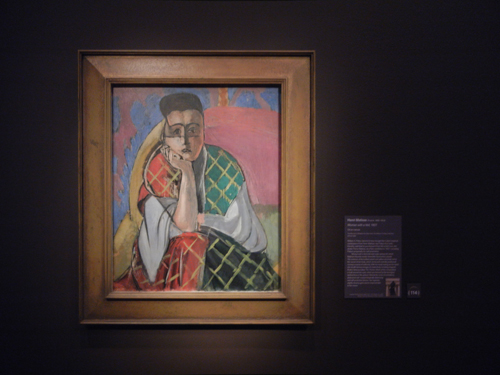
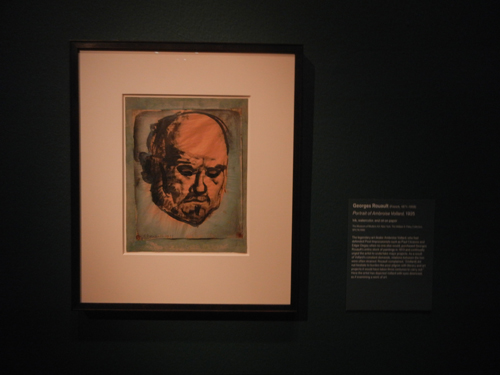
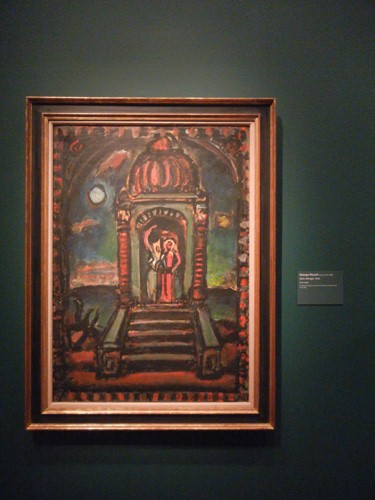
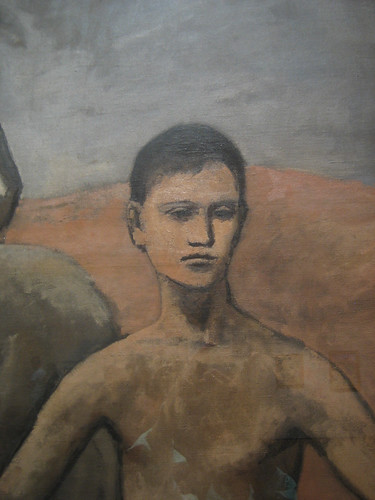
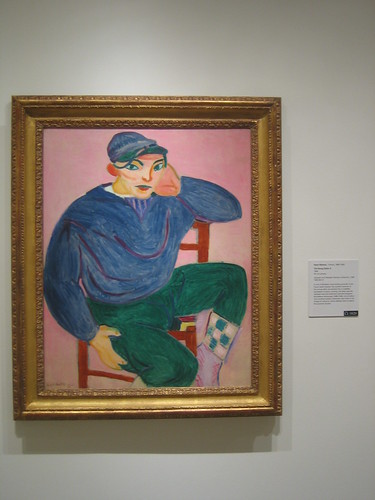
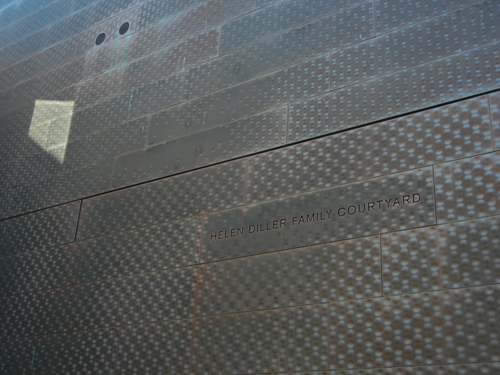 Yesterday, 30 December 2012, I returned to De Young Museum in San Francisco for The William S. Paley Collection: A Taste for Modernism, on the very last day of the exhibit, of which The De Young Museum website informed us was "A selection of major works from the William S. Paley Collection at the
Museum of Modern Art in New York.. A pioneering figure in the modern entertainment,
communication and news industries, Mr. Paley (1901–1990) was a founder
of the Columbia Broadcasting System (CBS), and a dedicated
philanthropist and patron of the arts. The Paley Collection, which
includes paintings, sculpture and drawings, ranges in date from the late
19th century through the early 1970s. Particularly strong in French
Post-Impressionism and Modernism, the collection includes multiple works
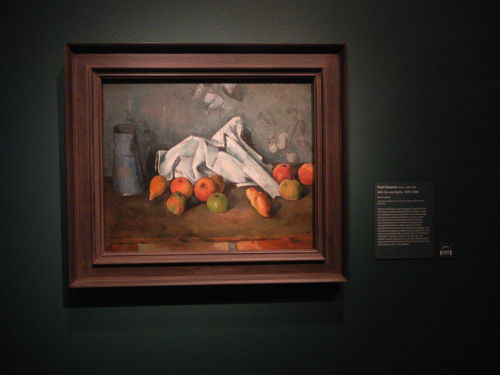
by Paul Cezanne, Henri Matisse and Pablo Picasso, as well as
significant works by Edgar Degas, Henri Toulouse-Lautrec, Paul Gauguin,
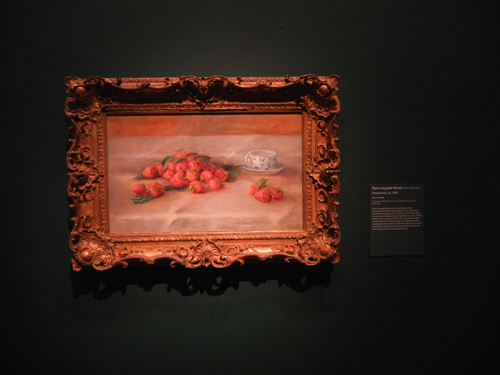
Andre Derain, Georges Rouault and artists of the Nabis School such as
Pierre Bonnard and Edouard Vuillard."
Yesterday, 30 December 2012, I returned to De Young Museum in San Francisco for The William S. Paley Collection: A Taste for Modernism, on the very last day of the exhibit, of which The De Young Museum website informed us was "A selection of major works from the William S. Paley Collection at the
Museum of Modern Art in New York.. A pioneering figure in the modern entertainment,
communication and news industries, Mr. Paley (1901–1990) was a founder
of the Columbia Broadcasting System (CBS), and a dedicated
philanthropist and patron of the arts. The Paley Collection, which
includes paintings, sculpture and drawings, ranges in date from the late
19th century through the early 1970s. Particularly strong in French
Post-Impressionism and Modernism, the collection includes multiple works
by Paul Cezanne, Henri Matisse and Pablo Picasso, as well as
significant works by Edgar Degas, Henri Toulouse-Lautrec, Paul Gauguin,
Andre Derain, Georges Rouault and artists of the Nabis School such as
Pierre Bonnard and Edouard Vuillard." 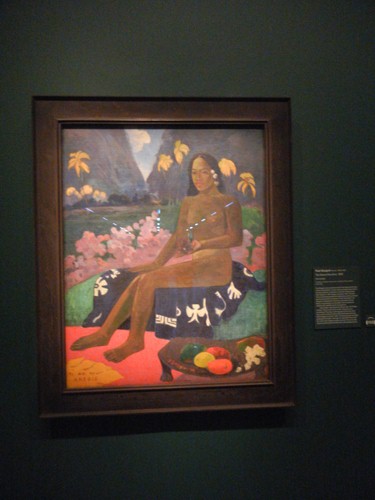






 Posts
Posts


