Showing posts with label Han Dynasty. Show all posts

Saturday, March 4, 2017

Tomb Treasure Exhibition at San Francisco Asian Art Museum


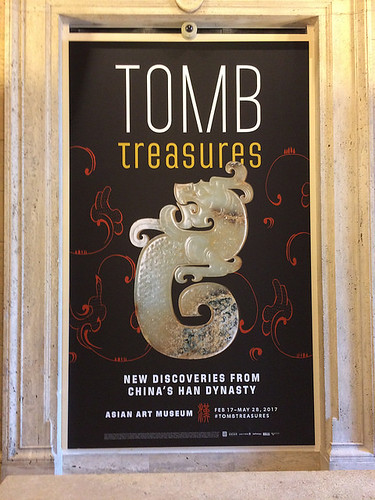
IMG_1352 _ Tomb Treasures, Asian Art Museum

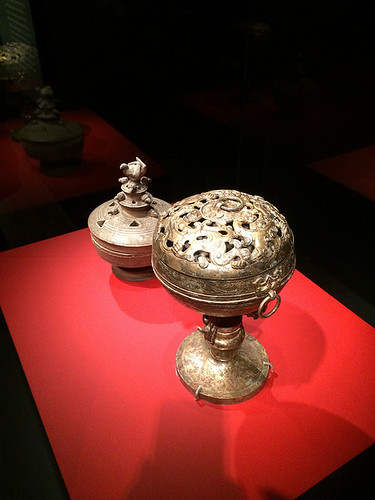
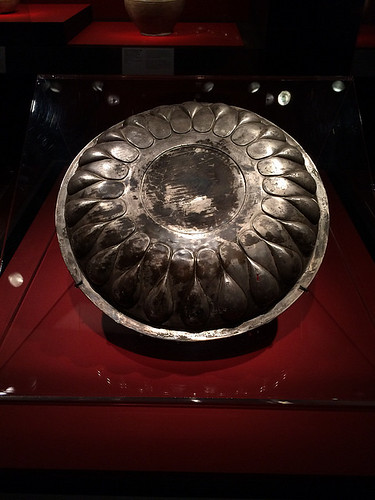
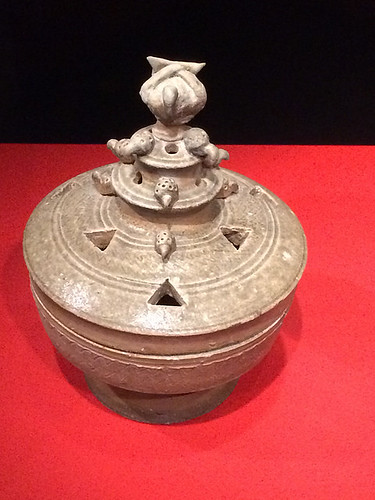
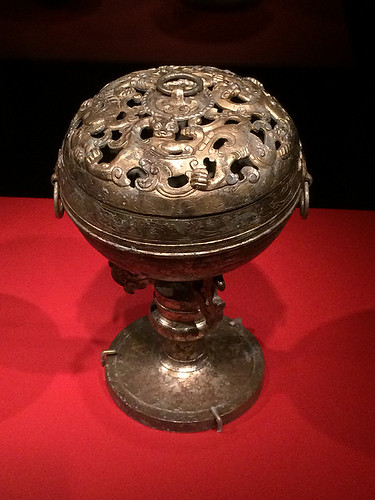
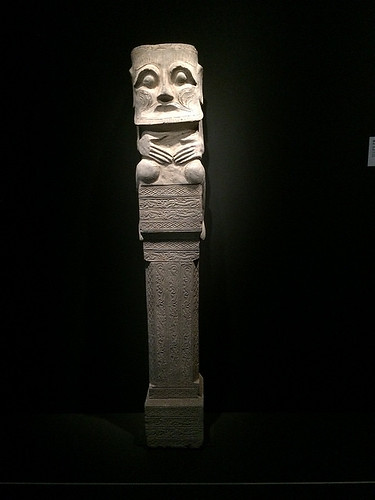
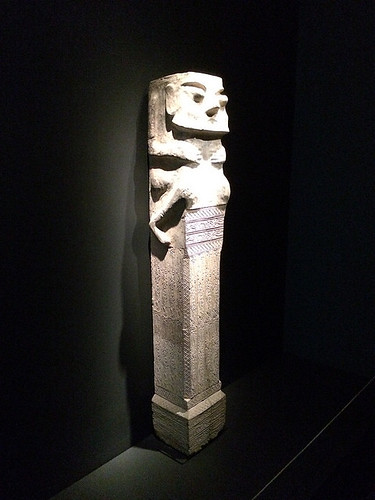
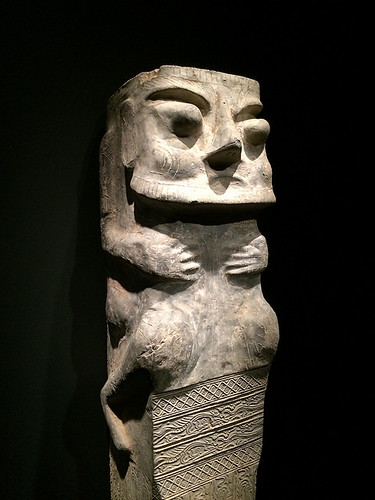
San Francisco's Asian Art Museum, in collaboration with Nanjin Museum in China, just opened a breathtaking exhibition, "Tomb Treasures, New Discoveries from China’s Han Dynasty" (February 17 - May 28, 2017), with the majority of the artifacts from Dayushan Jiandu Royal Tomb (excavated in 2011) and Xuzhou Chu Royal Tomb (excavated in 1995).

According to the Museum,
One of the most powerful civilizations of the ancient world, China’s Han dynasty achieved profound cultural and artistic influence, technological advancements and military might. Two thousand years later, discoveries of royal tombs allow us to glimpse these extraordinary accomplishments firsthand.
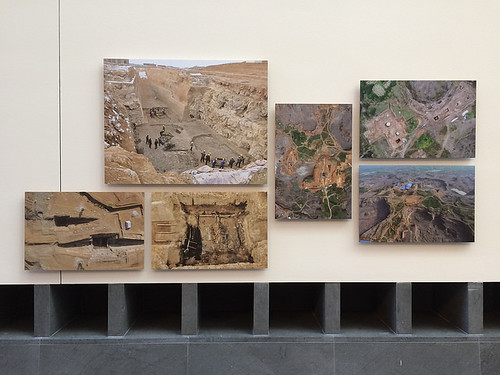
IMG_1349 _ Tomb Treasures, Asian Art Museum

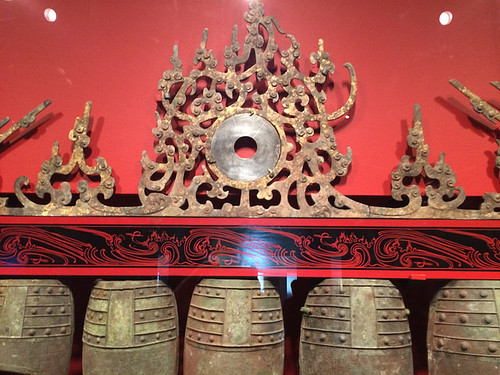
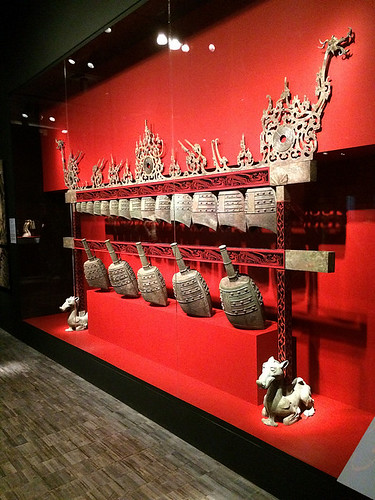
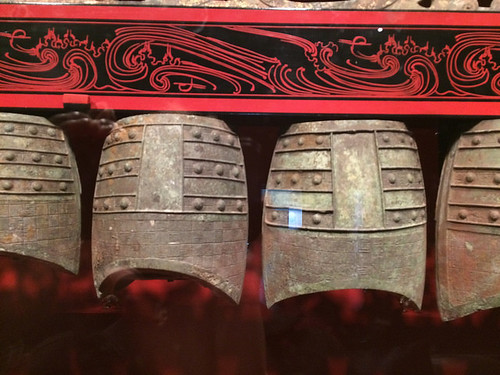
One of the most impressive artifacts on display was a rare percussion instrument - a group of bronze bells of various sizes on a rack in formation, each bell has a different pitch, like a ancient keyboard. Music and ceremony played very important roles in ancient China and this Bell Group perhaps was almost as important a symbol as a scepter of the state.
IMG_1339 _ Tomb Treasures, Asian Art Museum

IMG_1154 _ Tomb Treasures, Asian Art Museum

IMG_1153 _ Tomb Treasures, Asian Art Museum

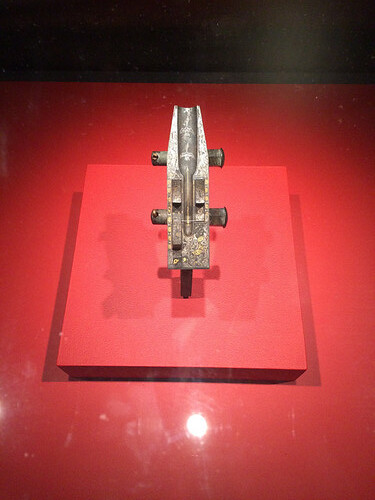
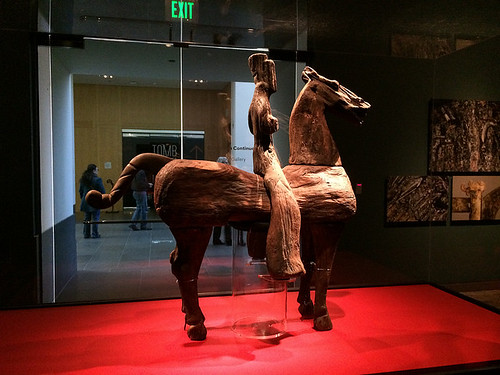
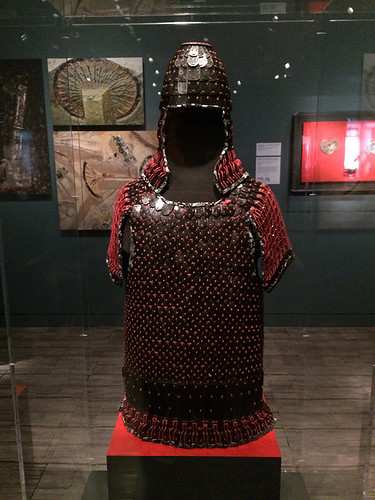
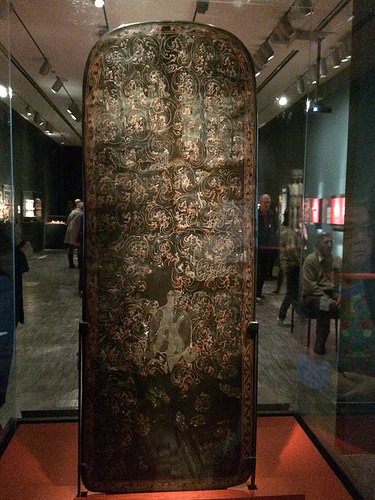
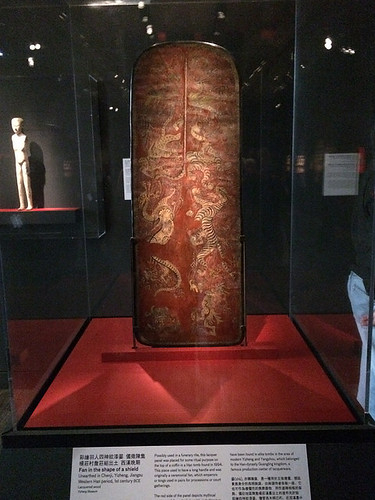
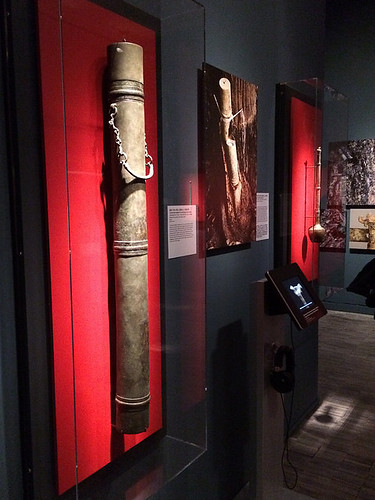
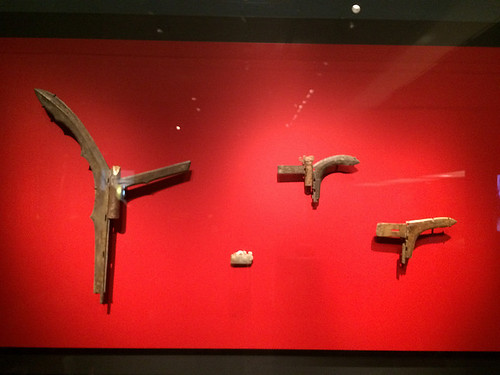
For indisputable symbols of royal status and state power, the exhibition presented some ceremonial and war weaponry, along with armor and warrior status made of wood, recalling bronze horses by Deborah Butterfield, in the shape of driftwood.
IMG_1343 _ Tomb Treasures, Asian Art Museum

IMG_1162 _ Tomb Treasures, Asian Art Museum

IMG_1187 _ Tomb Treasures, Asian Art Museum

IMG_1336 _ Tomb Treasures, Asian Art Museum

IMG_1157 _ Tomb Treasures, Asian Art Museum

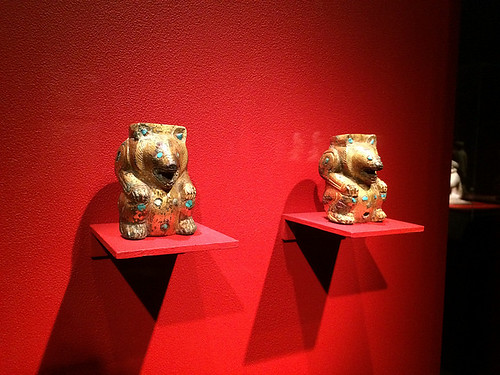
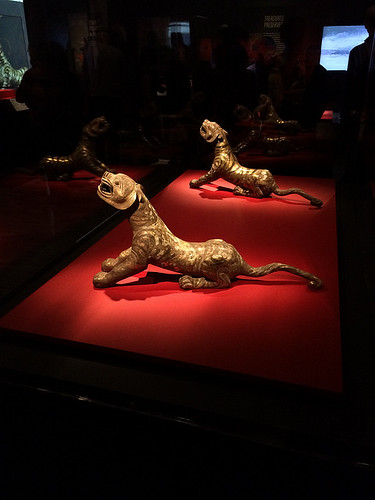
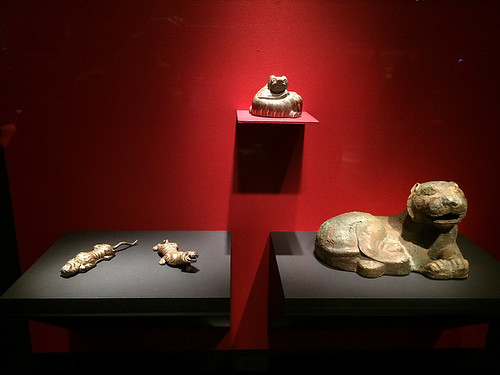
There were other objects symbolizing the royal status and power of those tomb owners, such as some powerful and graceful bronze tigers with gold and silver inlays, and other noble beasts adorning different daily objects.
IMG_1322 _ Tomb Treasures, Asian Art Museum

IMG_1166 _ Tomb Treasures, Asian Art Museum

IMG_1327 _ Tomb Treasures, Asian Art Museum

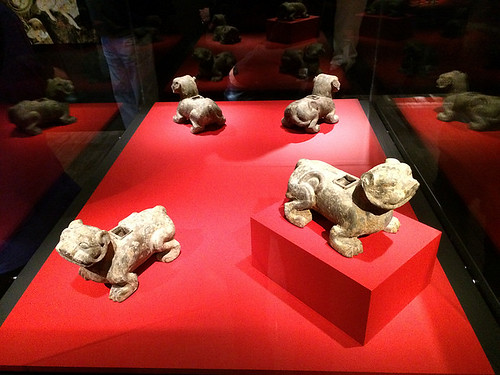
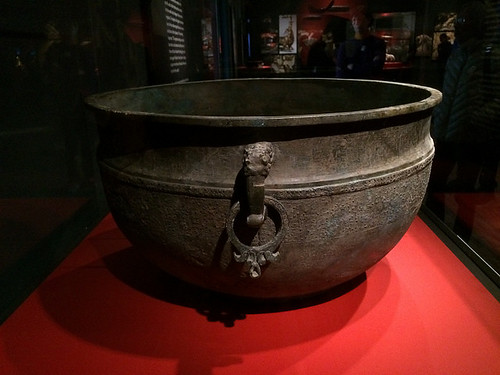
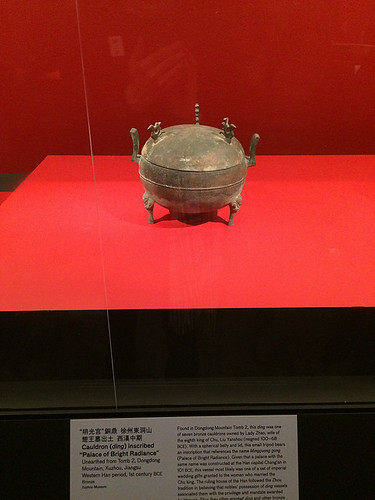
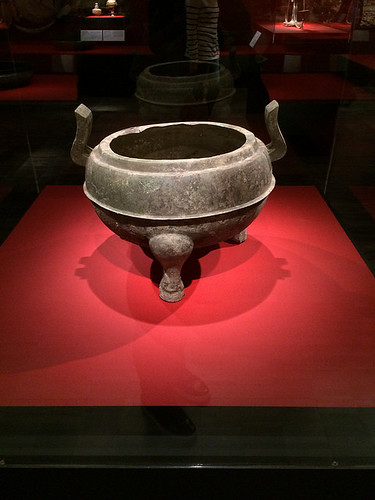
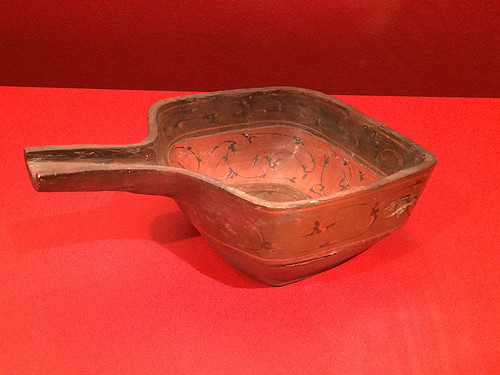
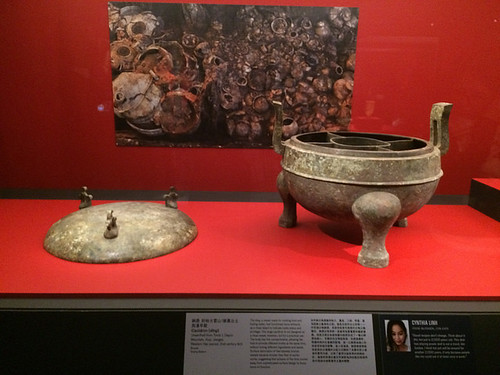
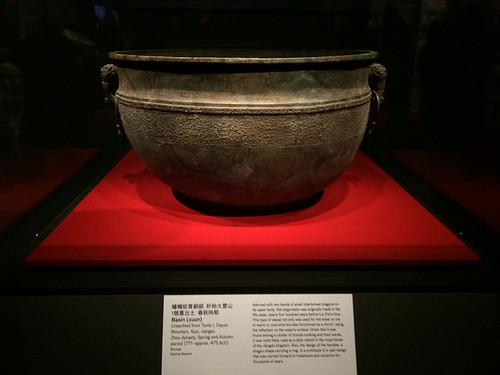
Another important aspect of court life was cooking, which, besides providing  indispensable daily subsistence, was as important as music in ritual ceremonies. The daily or ritual cooking utensils were abundant in these tomb discoveries, and they impressed with their imposing bulk and delicate details.
IMG_1164 _ Tomb Treasures, Asian Art Museum

IMG_1142 _ Tomb Treasures, Asian Art Museum

IMG_1141 _ Tomb Treasures, Asian Art Museum

IMG_1159 _ Tomb Treasures, Asian Art Museum  IMG_1283 _ Tomb Treasures, Asian Art Museum
IMG_1312 _ Tomb Treasures, Asian Art Museum IMG_1331 _ Tomb Treasures, Asian Art Museum
IMG_1275 _ Tomb Treasures, Asian Art Museum IMG_1274 _ Tomb Treasures, Asian Art Museum

IMG_1308 _ Tomb Treasures, Asian Art Museum

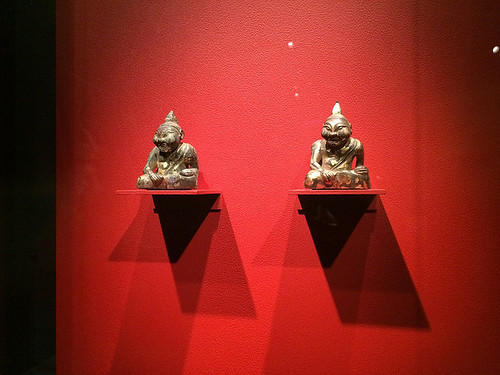
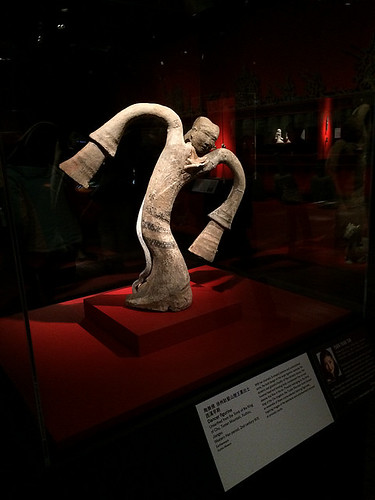
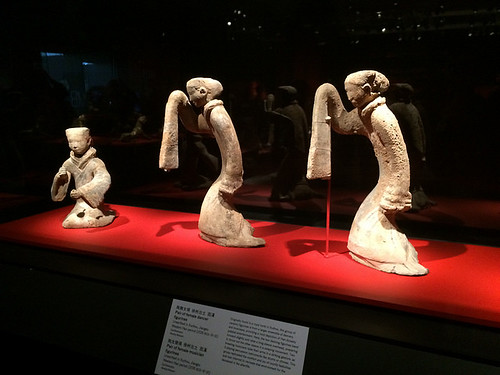
Courtly entertainment was represented by graceful dancer figurines and tiny jester statues, along with some stylized and humorous figure and animal statues.
IMG_1329 _ Tomb Treasures, Asian Art Museum

IMG_1169 _ Tomb Treasures, Asian Art Museum

IMG_1172 _ Tomb Treasures, Asian Art Museum

IMG_1321 _ Tomb Treasures, Asian Art Museum

IMG_1156 _ Tomb Treasures, Asian Art Museum

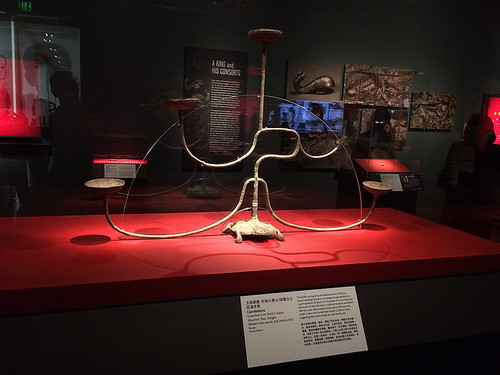
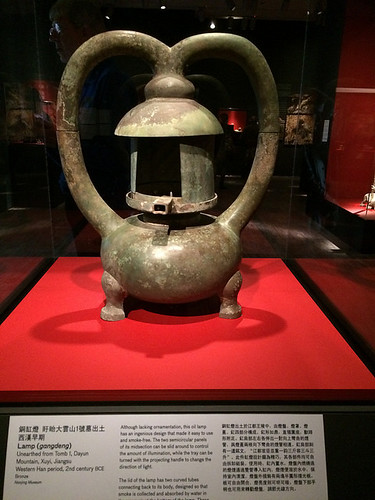
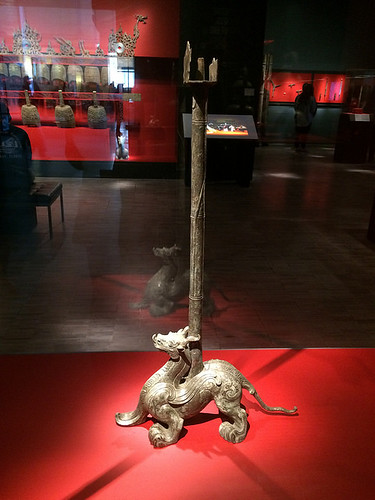
Echos of graceful shapes and movements of those court dancers could be seen on some wonderfully shaped lamps, including the joint-armed, heart-shaped one, whose unique design rendered it smokeless.
IMG_1144 _ Tomb Treasures, Asian Art Museum IMG_1140 _ Tomb Treasures, Asian Art Museum

IMG_1278 _ Tomb Treasures, Asian Art Museum

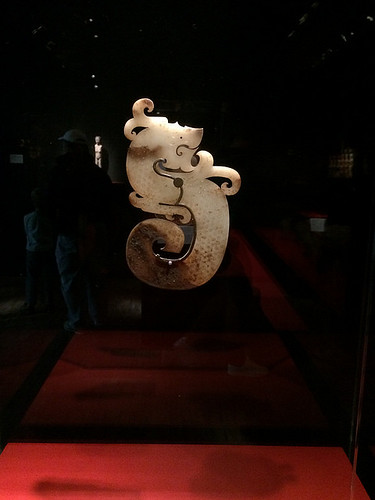
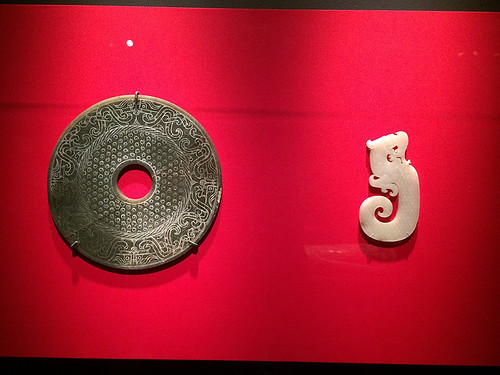
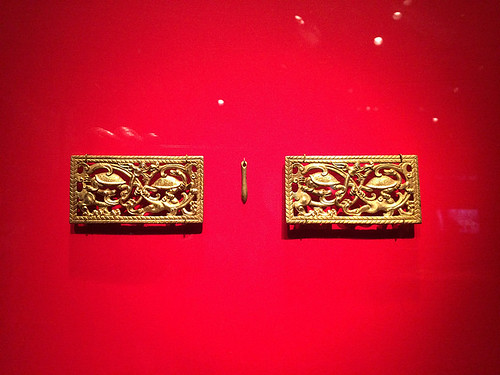
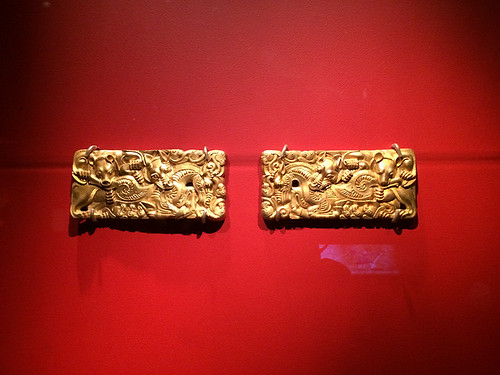
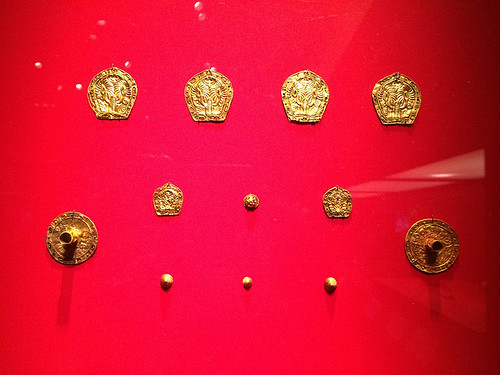
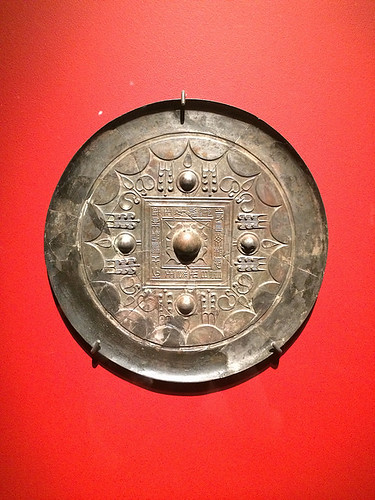
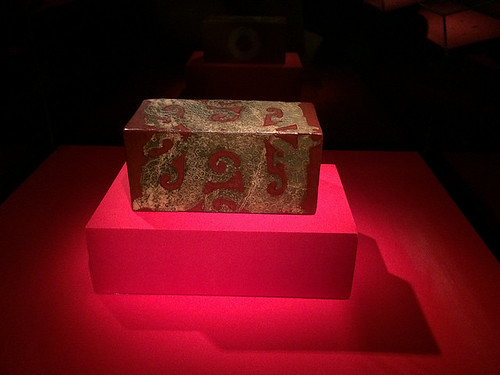
More personal objects in the exhibition were metal mirror, jade accessories, and precious metal clasps, etc. Elegant and delicate.
IMG_1205 _ Tomb Treasures, Asian Art Museum

IMG_1249 _ Tomb Treasures, Asian Art Museum

IMG_1247 _ Tomb Treasures, Asian Art Museum

IMG_1238 _ Tomb Treasures, Asian Art Museum

IMG_1301 _ Tomb Treasures, Asian Art Museum

IMG_1158 _ Tomb Treasures, Asian Art Museum

IMG_1289 _ Tomb Treasures, Asian Art Museum

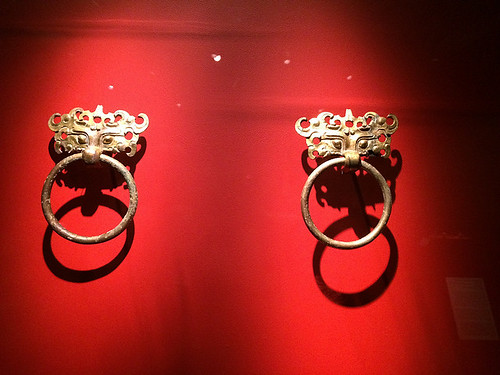
Finally, there were impressive objects from homes for the living and for the dead.
IMG_1234 _ Tomb Treasures, Asian Art Museum

IMG_1267 _ Tomb Treasures, Asian Art Museum IMG_1263 _ Tomb Treasures, Asian Art Museum

IMG_1197 _ Tomb Treasures, Asian Art Museum IMG_1201 _ Tomb Treasures, Asian Art Museum

IMG_1202 _ Tomb Treasures, Asian Art Museum

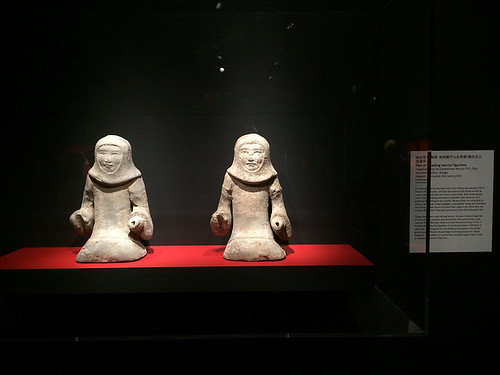
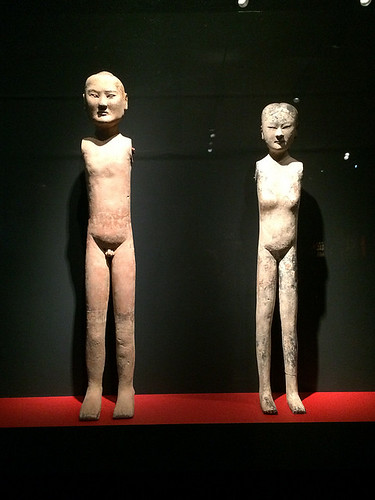
A pair of terracotta figurines, whose wooden arms had rotten away, were startlingly creepy and memorable. Time had changed by Han Dynasty (206 BC–220 AD) and artificial, instead of human sacrifices were to be entombed. A marked progression of society and culture.
IMG_1265 _ Tomb Treasures, Asian Art Museum

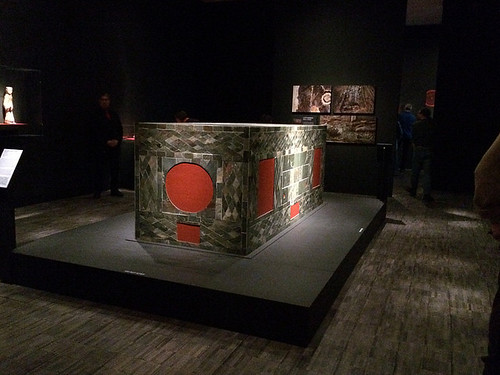
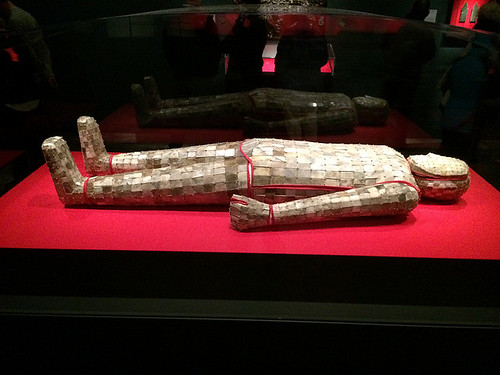
The most memorable objects of this exhibition were a huge marble tomb and a death shroud made of jade plates wired together with gold threads. Muted and low-key, yet most extravagant.
IMG_1245 _ Tomb Treasures, Asian Art Museum

IMG_1220 _ Tomb Treasures, Asian Art Museum


Other Related posts on Art · 文化 · Kunst:
- "28 Chinese" at Asian Art Museum, San Francisco
- Last Chance to See Terracotta Warriors in San Francisco Asian Art Museum
- Calligraphies at San Francisco Modern Art Museum
- Impressionism from National Gallery of Art (DC) in San Francisco
- Last Call - "The Girl With A Pearl Earring" in De Young Museum, San Francisco
- Art Displays in San Francisco International Airport (SFO)
- Art in the Streets of San Francisco
- Modernism from the National Gallery of Art in De Young Museum, San Francisco

Tuesday, October 4, 2016

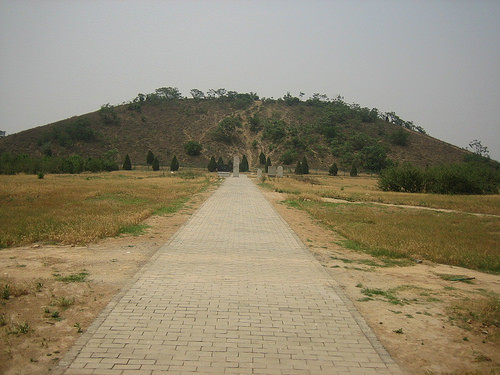
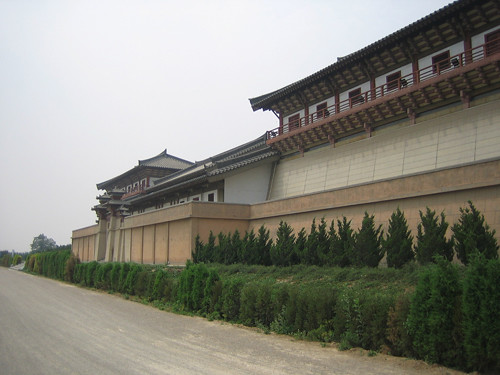
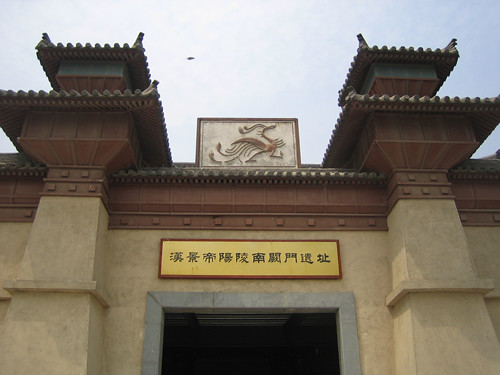
My Favorite Sculptures at Han Yangling (Han Dynasty Yang Tomb) in Xianyang, Shaanxi, China

The most famous burial ground in China, must be that of the First Emperor of Qin Dynasty, who employed a gigantic terracotta army to guard him in the afterlife.

Han Yangling (Han Dynasty Yang Tomb) in Xianyang, China _ IMG_4477

IMG_6015 - Emperor Jing's Tomb, Han Dynasty, Xianyang, China, 2007

IMG_6010 - Emperor Jing's Tomb, Han Dynasty, Xianyang, China, 2007

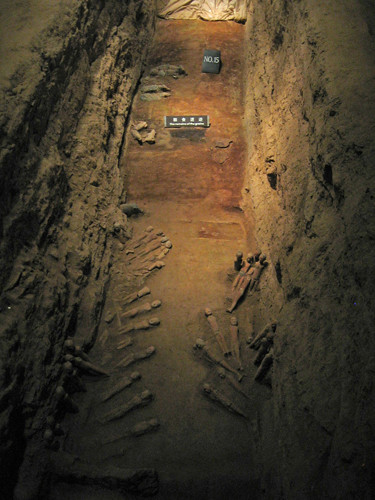
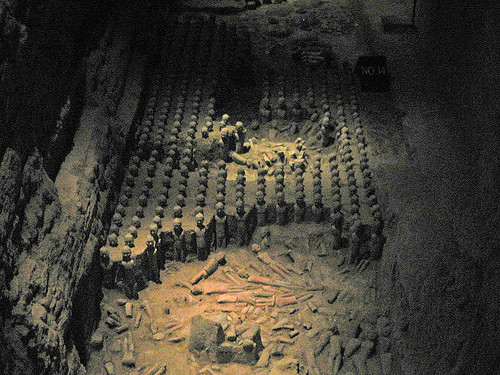
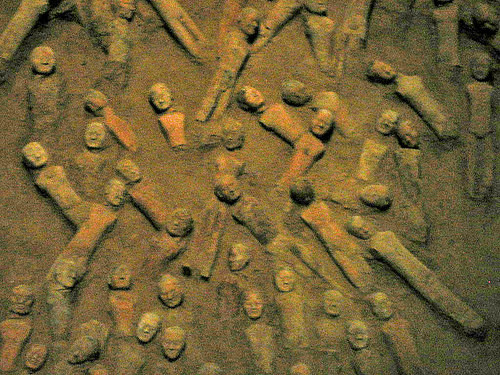
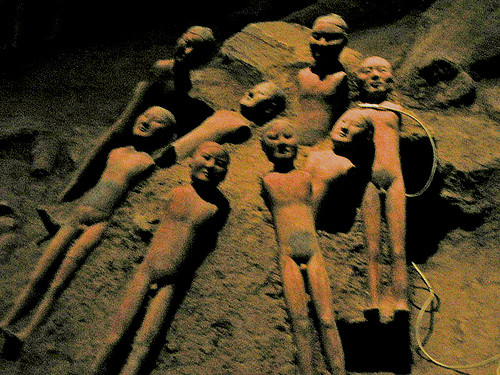
In the ensuing Han Dynasty, one of the emperors employed an army of smaller scale and smaller statue. Instead of human-sized terracotta warriors, this so-called Jing Emperor could only afford to have earthen ware torso armies, with wooden arms, which by now have completely rotten away, thus this army of cripples of one-third of human size.  A pitiful and creepy looking army.

IMG_5919_m - Earthenware ''sacrifices'' in Emperor Jing's Tomb, Han Dynasty, Xianyang, China, 2007

Han Yangling (Han Dynasty Yang Tomb) in Xianyang, China _ IMG_5922_mod

Han Yangling (Han Dynasty Yang Tomb) in Xianyang, China _ IMG_4437_mod

Han Yangling (Han Dynasty Yang Tomb) in Xianyang, China _ IMG_4441_mod

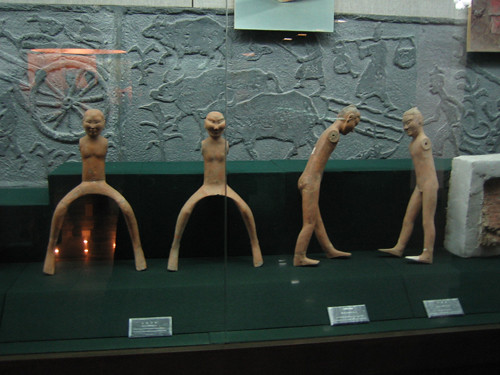
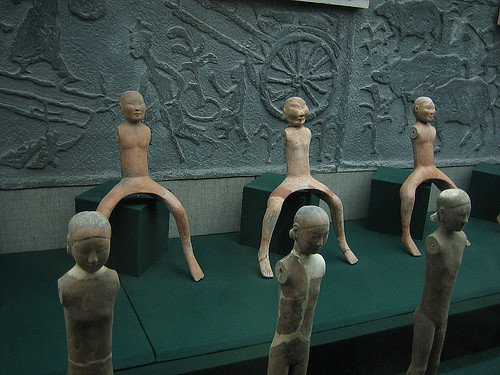
The most memorable figures are those riders sans horses, whose arched bow-shaped legs and the perpendicular torso formed a strange looking arrow, and the "arrow-point", the round head with a grinning face, completed this strange spectacle, small in stature, but large in impact.

Earthenware ''sacrifices'' in Emperor Jing's Tomb, Han Dynasty, Xianyang, China, 2007 _ IMG_6064

Han Yangling (Han Dynasty Yang Tomb) in Xianyang, China _ IMG_6158

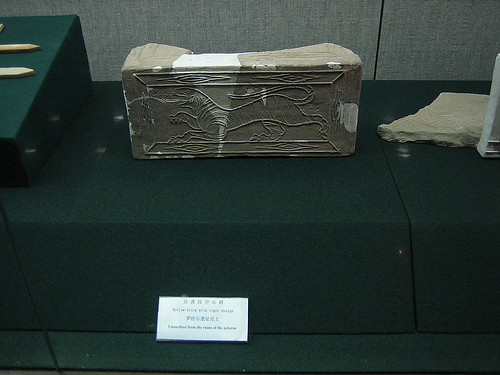
The second amazing artifact was a hollow brick with a white tiger relief.  The fluid and delicate beauty of the noble beast was incredible and the accomplishment of the artist/artisan was of the highest order.

White Tiger Hollow Brick, Han Yangling (Han Dynasty Yang Tomb) in Xianyang, China _ IMG_6023


My Favorite Museum Collection Series
>> My Favorite Museum Collection Series 138: My Favorite Paintings at New York Museum of Modern Art (MOMA)
<< My Favorite Museum Collection Series 136: My Favorite Calligraphy and Monument at Great Mosque of Xi'an, China

List of My Favorite Artworks in the Museums I've Visited

Other Related posts on Art · 文化 · Kunst:
- Last Chance to See Terracotta Warriors in San Francisco Asian Art Museum
- Ruins in Sanxingdui (Three-Star Mound) and Jinsha (Gold Sands), Sichuan, China
- Treasure in Liaoning Museum, Shenyang, China
- Art Gallery of Luxun Art Academy in Shenyang, China
- Visiting Four Universities in Austria and Italy
- Sunflower Seeds by Ai Weiwei at Tate Modern, London
- My Favorite Sculptures at Institut für Klassische Archäologie, Karl-Franzens-Universität Graz
- My Favorite Sculptures at Musei Civici degli Eremitani, Padova (Padua)