Gallery 2727 in Berkeley is presenting my solo virtual exhibition: Human Conditions: Portraits of a Fraying Age (February 1 – March 3, 2026),
featuring 21 figurative and portrait paintings of mine.
I depict life frankly and critically, as visual surfaces and interior qualities. Instead of verisimilitude, I strive to discover and capture what is hidden, emphasizing the implicit and the unspoken.
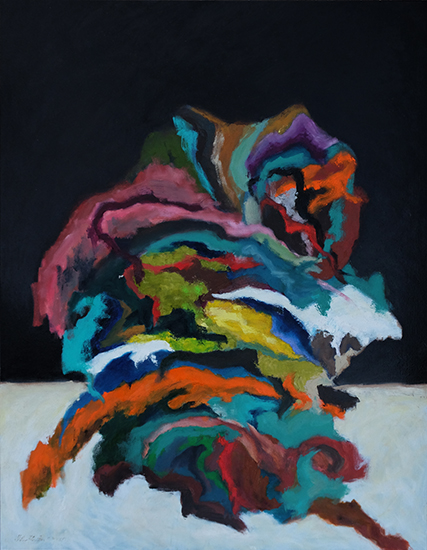
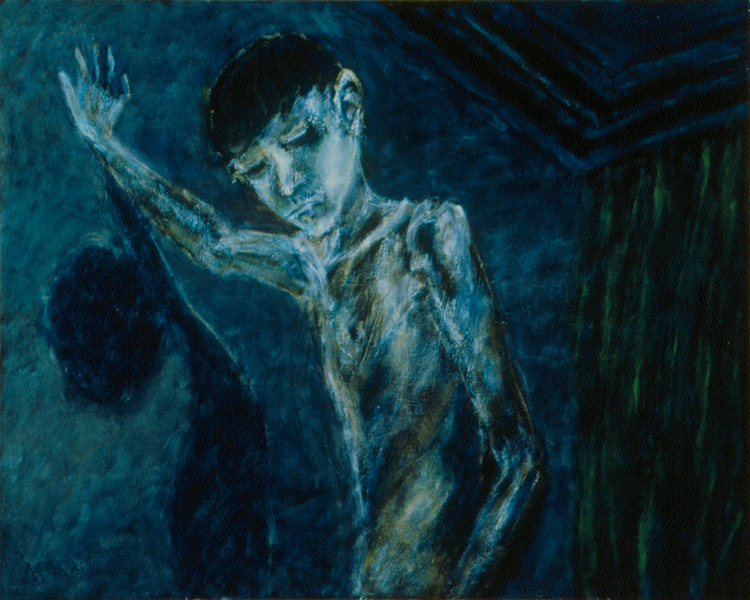
Though I sometimes use more vibrant colors to express enhanced emotions, or allow more exuberant colors to generate a dimension of visual excitement, acknowledging that joy remains, I tend to narrow my palette, deliberately stripping away the noise.
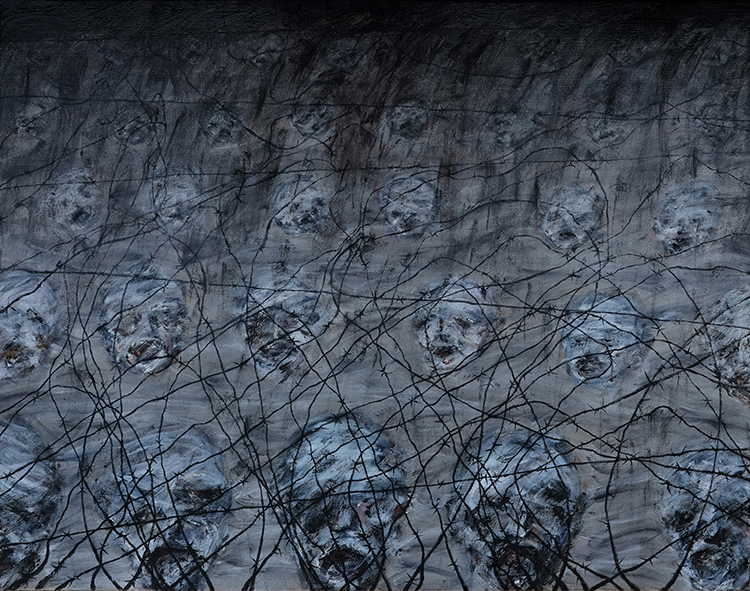
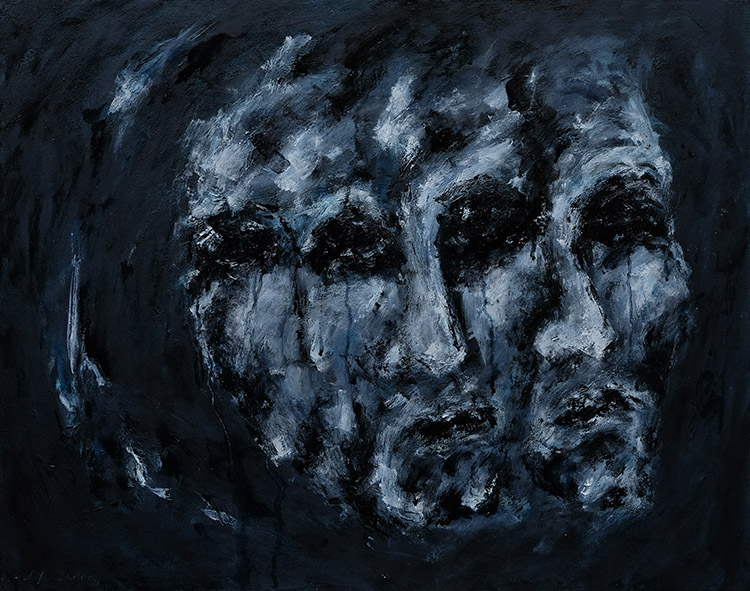
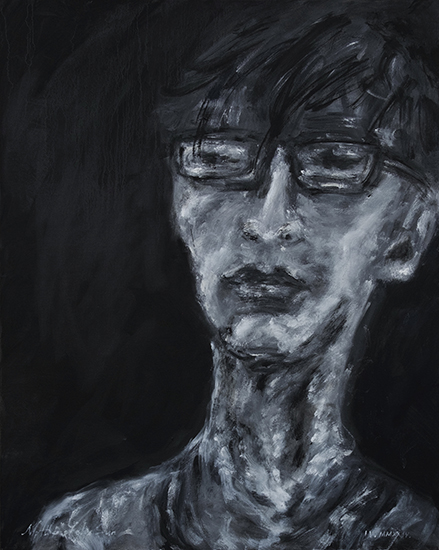
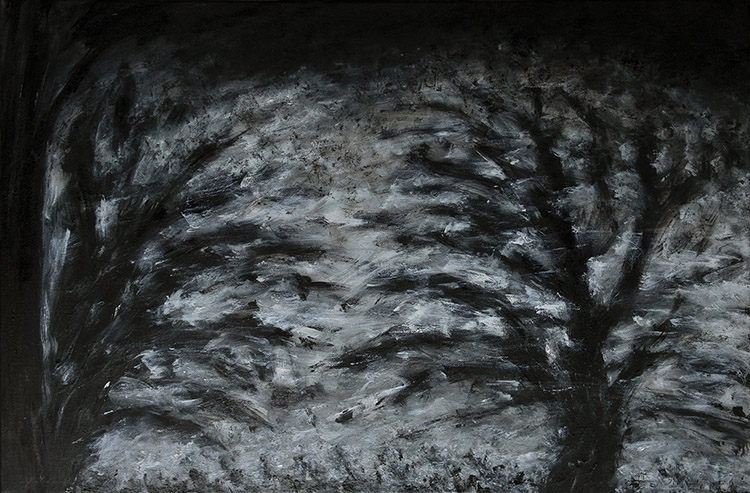
For Human Conditions: Portraits of a Fraying Age, I have assembled a group of twenty-one oils painted over the last twenty-some years, mostly portraits and figurative pieces. The majority of these are black and white, while some are mainly monochromatic with muted coloration, and a few are inverted images like photographic negatives. All the sitters, singly or in groups, are melancholic, sad, yearning, or resigned. These images comment on the often sad, isolated nature of modern life, and on a social fabric torn apart by class divides and political schisms, depriving people of identity, hope, and self-determining agency.
Presenting these images in muted tones, or even black and white, transforms the sitters into ghostly silhouettes that evoke fading memory and a distorted world, where the familiar has become alien and corrupt.
The exhibition also strives to capture the paradox of our time: a world more "connected" than ever, yet populated by individuals who feel more lonely, miserable, and profoundly divided than at any point in history.






 Posts
Posts


